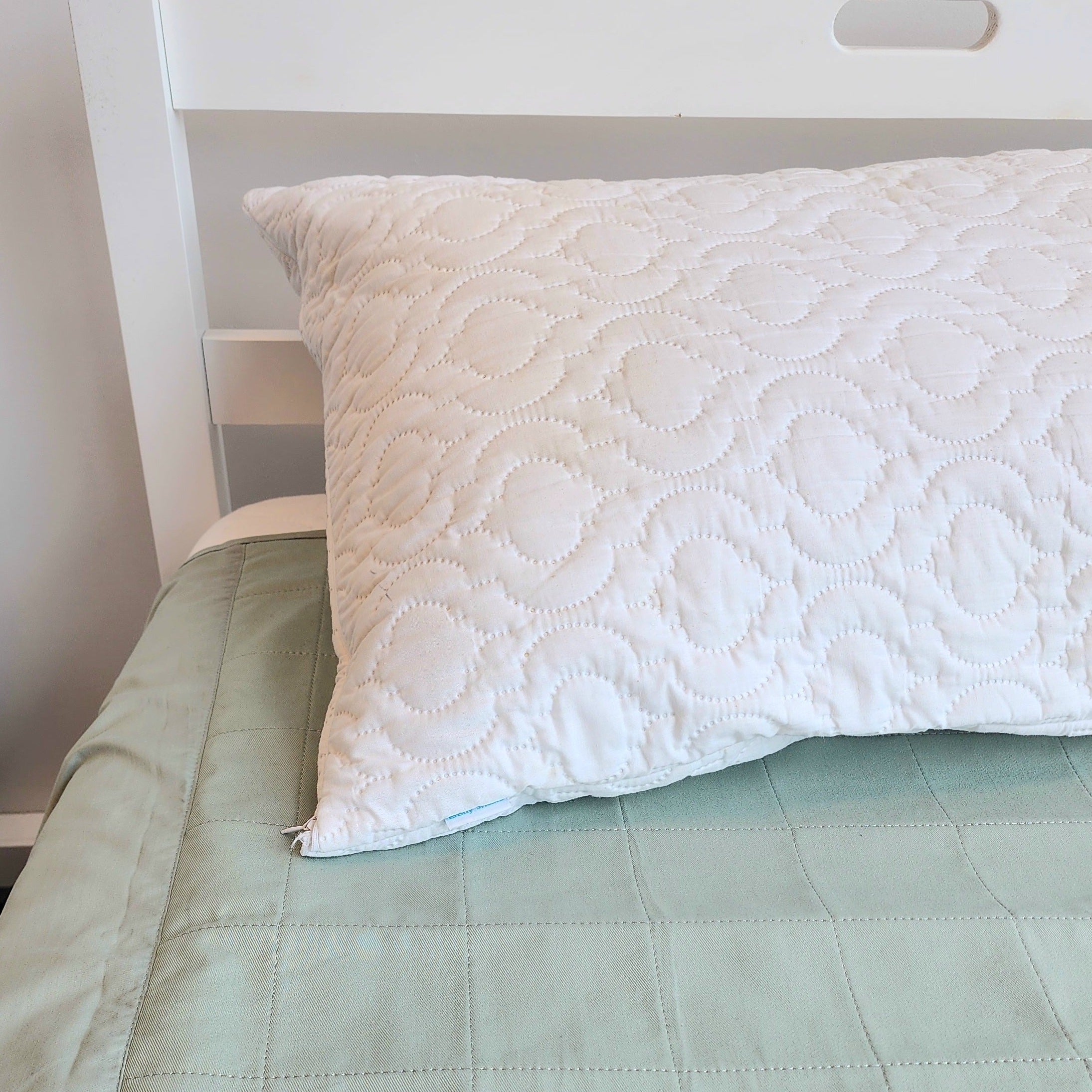
Bed Wetting in Winter: Managing Incontinence for Adults and Kids

Cold nights can make bedwetting and incontinence more challenging for both children and adults. Many families, carers, and individuals notice more overnight accidents during winter, especially when routines change and getting up in the cold feels harder.
While it can feel frustrating or exhausting at times, winter bedwetting is common and often manageable with a few practical adjustments. Small changes to comfort, warmth, routines, and bedding can help make overnight care easier and less stressful.
This guide shares practical tips to help support comfort, sleep, and dignity during colder nights.
Why bedwetting can feel worse during winter
Winter can affect bladder habits in a few different ways.
Cold weather may increase urine production, and many people drink less water during winter days, which can sometimes irritate the bladder further. Heavier bedding and colder temperatures can also make it harder to wake during the night when needing the toilet.
For children, winter routines often change around school holidays, illness, or disrupted sleep. For adults and older individuals managing incontinence, colder nights can make mobility more difficult and increase discomfort.
This is not uncommon, and it does not mean anyone is doing something wrong.
Practical tips for managing winter bedwetting

Keep the bedroom comfortably warm
A room that is too cold can make overnight toileting harder.
If possible:
-
keep bedrooms at a comfortable temperature
-
use layered bedding instead of overly heavy blankets
-
keep dressing gowns or warm socks nearby
-
ensure pathways to the bathroom are clear and safe
For some individuals, especially older adults or people with mobility challenges, reducing the discomfort of getting out of bed can make nighttime routines easier.
Avoid limiting fluids too much
It can be tempting to reduce drinks in the evening during winter, but dehydration can sometimes make bladder irritation worse.
Instead:
-
encourage regular hydration during the day
-
reduce caffeinated or sugary drinks in the evening where appropriate
-
offer warm drinks earlier in the evening rather than right before bed
A balanced approach is usually more helpful than restricting fluids completely.
Use easy-to-manage bedding protection
Winter means more washing, heavier blankets, and slower drying times. Having practical bedding protection can reduce stress for carers and families.
Waterproof mattress protectors, absorbent bedding layers, and washable continence products can help make overnight changes quicker and more manageable.
At Independently You, many families and carers look for bedding support products that are comfortable, reusable, and designed to feel less clinical within the home.
Prepare for overnight changes
A little preparation can make difficult nights feel more manageable.
Some carers find it helpful to:
-
keep spare bedding nearby
-
prepare a change of clothes before bedtime
-
use layered bedding setups
-
keep night lights on for safer movement
-
store continence products within easy reach
This can reduce disruption during the night and make returning to sleep easier for everyone.
Supporting children with winter bedwetting

Bedwetting in children is very common, especially during colder months.
It helps to:
-
avoid blame or punishment
-
keep routines calm and predictable
-
use practical protection rather than focusing on accidents
-
involve children in routines gently where appropriate
Simple things like waterproof bedding, absorbent sleepwear, or easy-access pyjamas can help children feel more comfortable and confident.
The goal is support and comfort, not pressure.
Supporting adults managing incontinence during winter

Adults living with incontinence may face additional challenges during winter, especially if mobility, chronic illness, disability, or fatigue are involved.
Some practical adjustments may include:
-
easier access to continence products
-
warmer adaptive clothing
-
bedside toileting support if needed
-
absorbent chair or bedding protection
-
reducing fall risks overnight
For carers and support workers, small environmental adjustments can often make a significant difference to comfort and safety.
Making winter care routines easier for carers
Winter nights can be tiring for carers, especially when interrupted sleep becomes frequent.
Where possible:
-
keep routines simple
-
reduce unnecessary bedding changes
-
use washable, reusable supports
-
prepare the room before bedtime
-
ask for additional support when needed
Practical systems often help more than trying to manage everything perfectly.
Choosing continence products for colder months
During winter, comfort matters just as much as protection.
When choosing products, it can help to look for:
-
soft, breathable fabrics
-
reusable options where suitable
-
products that feel discreet and comfortable
-
easy-wash materials
-
solutions that reduce overnight disruption
Many people prefer supports that blend into everyday life rather than feeling overly medical.
When to speak with a healthcare professional
Occasional winter bedwetting can be common, but it may help to seek medical advice if:
-
accidents suddenly increase
-
there is pain or discomfort
-
sleep disruption becomes severe
-
there are signs of infection
-
bladder habits change significantly
A healthcare professional can help identify any underlying causes and discuss suitable support options.
Frequently asked questions
Why does bedwetting get worse during winter?
Cold weather can increase urine production and make it harder to wake during the night to use the toilet. Changes to routines, illness, and heavier sleep can also contribute.
Is winter bedwetting common in adults?
Yes. Some adults notice increased incontinence or nighttime accidents during colder months due to mobility challenges, bladder sensitivity, or disrupted sleep.
What bedding helps with bedwetting?
Waterproof mattress protectors, absorbent bedding layers, and washable continence supports can help reduce stress and make overnight care easier.
Should fluids be reduced before bed?
It is usually better to focus on balanced hydration during the day rather than severely limiting fluids at night. Dehydration can sometimes irritate the bladder further.
How can carers make nighttime care easier?
Preparing spare bedding, using layered protection, keeping pathways safe, and storing continence products nearby can all help simplify overnight routines.
BIG ENOUGH TO DELIVER, SMALL ENOUGH TO CARE
At Independently You, the focus is on practical daily living support that helps people feel more comfortable, confident, and supported at home.
Whether you are caring for a child, supporting an adult family member, or managing your own continence needs, small practical changes can make winter nights feel more manageable.
Explore continence and daily living support products designed with comfort, dignity, and everyday life in mind.