Neurodiversity and Toilet Training: What Helps Most
Toilet training is rarely a one-size-fits-all process. For many neurodiverse kids, including those with autism, ADHD, intellectual disability, sensory processing differences, or communication challenges, the journey can take longer, look different, and require more personalised support.
 What matters most is creating a calm, predictable environment and using tools and strategies that meet someone exactly where they are.
Toilet training can look very different for neurodiverse kids. Sensory needs, communication styles, and routines all play a part. Here are some tips that can help and why progress looks unique for every person:
1. Understanding Why Toilet Training May Look Different
Neurodiverse people may experience unique barriers that affect toileting progress, including:
-
difficulty recognising body signals
-
sensory sensitivities to sound, light, texture, or temperature
-
anxiety around new routines
-
challenges with motor planning or coordination
-
communication differences that make it hard to express needs
None of these are “behaviours” to fix, but rather they’re cues that the person needs a different approach.
2. Sensory-Friendly Support Makes a Big Difference
For someone with sensory sensitivities, the bathroom can feel overwhelming. Bright lights, echoing sounds, cold surfaces, or unfamiliar textures may create stress and resistance.
Helpful adjustments include:
-
softer lighting or dimmable lamps
-
warm wipes
-
choosing clothing that's easy to pull up and down
-
using seat protectors or liners for comfort
-
reducing echo with mats or soft furnishings
-
A foot stool for extra support
A sensory-friendly environment can turn a stressful moment into a manageable one.
3. Visual Supports Help Build Predictability
Many neurodiverse people thrive with clear, visual steps.
Visual supports can include:
-
toileting routine charts
-
first–then boards
-
pictures that show each step
-
timers to help with sitting time
Predictability reduces anxiety and helps the person understand what happens next.
4. Communication Tools Matter
Even when someone cannot verbalise the need to use the toilet, they can often express it in other ways.
Supportive options include:
-
gesture-based cues
-
communication boards
-
AAC apps
-
simple “toilet” cards
-
teaching consistent signs
When communication becomes easier, toilet training becomes less stressful for everyone.
5. Choose Clothing and Products That Support Success
Practical toileting aids can make a significant difference
Useful tools include:
-
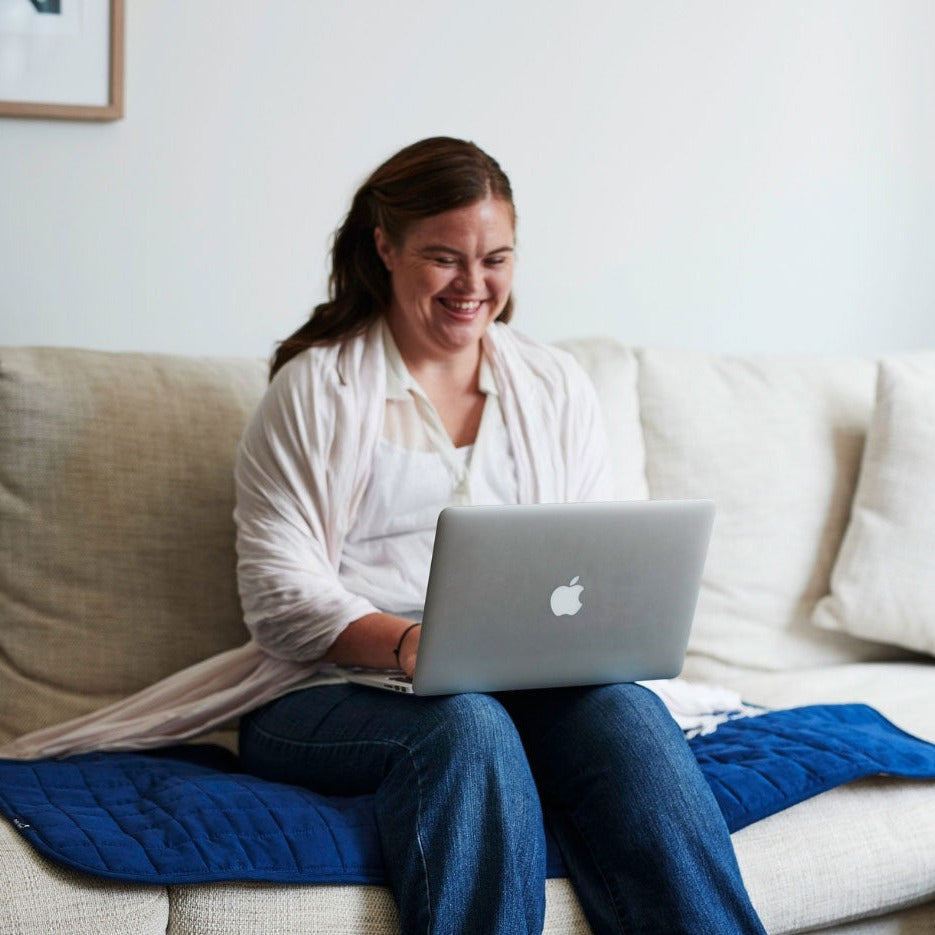
seat protectors for beds, chairs, and car seats
-
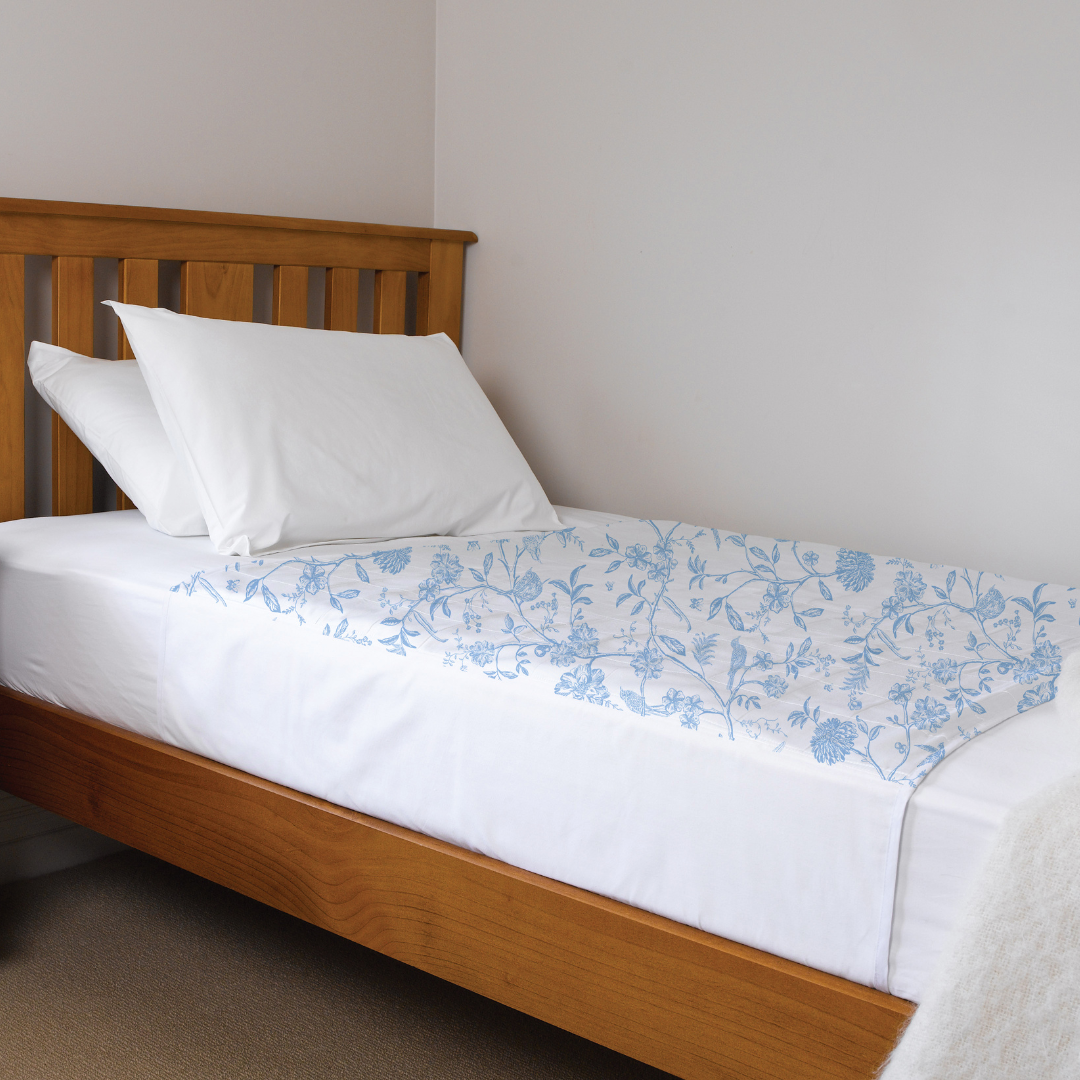
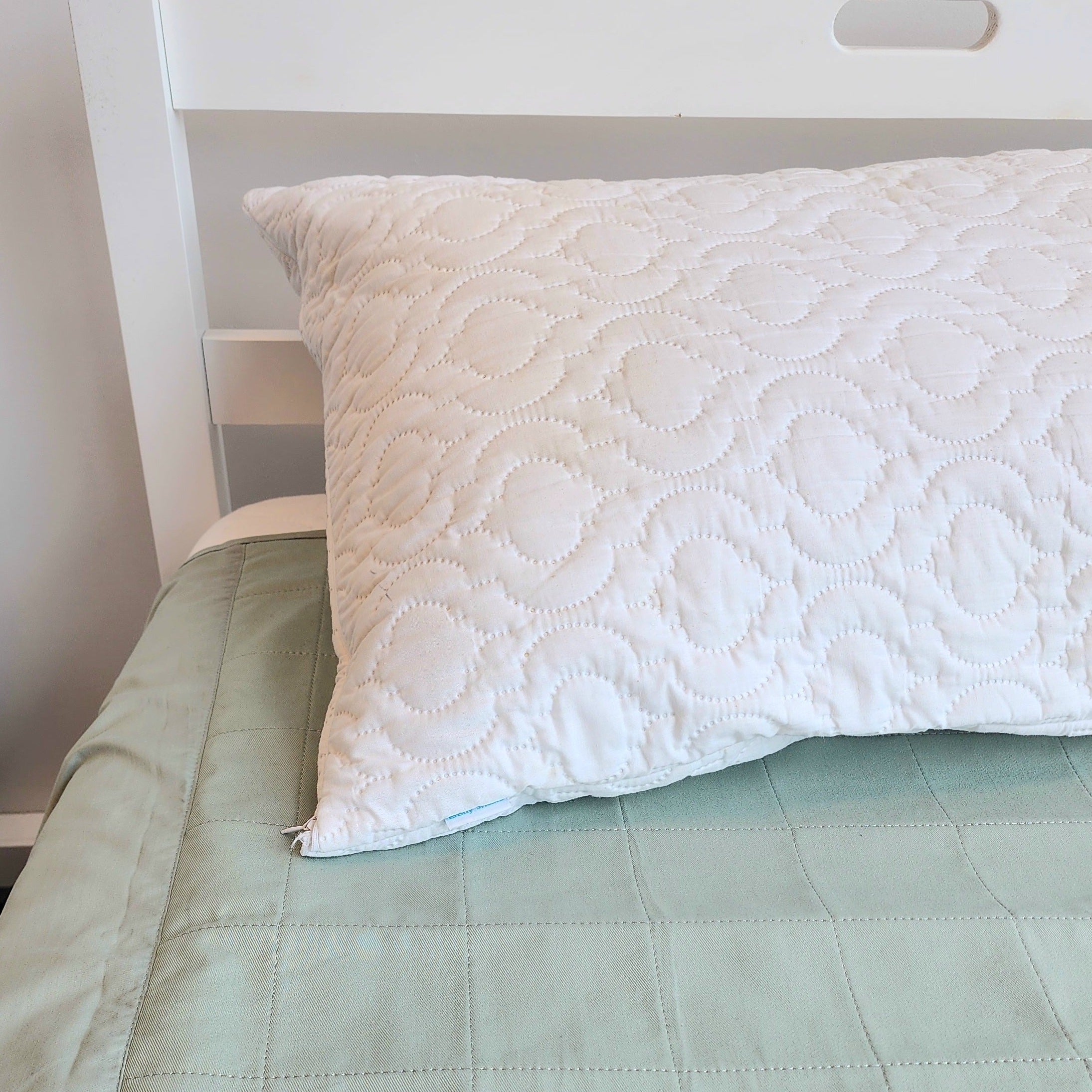
reusable waterproof bedding like Brolly Sheets, Bed Pads, and Waterproof Sheets
-
easy-on, easy-off clothing
For people who experience accidents overnight or during transitions, products that manage moisture discreetly and comfortably can help maintain routines and reduce stress.
6. Patience, Routine, and Repetition Are Key
Many neurodiverse kids and teens respond well to:
-
consistent schedules
-
gentle reminders
-
shorter sitting times
-
celebrating small wins
Progress may come slowly but every improvement, no matter how small, is a step towards independence.
7. When to Seek Extra Support
If toileting is causing distress, pain, constipation, or regression, it’s helpful to speak with:
-
a GP
-
an occupational therapist
-
a continence nurse
-
an NDIS support provider
They can offer personalised guidance, adjustments, and strategies based on the person’s needs.
Toilet training with neurodiversity in mind is about understanding, patience, and creating an environment that feels safe and predictable. With the right tools and gentle strategies, progress becomes much more achievable for individuals, families, and support workers.